
If you have written and self-published your own indie novel, you may want to discover more ways to bring it to life, and here’s how…
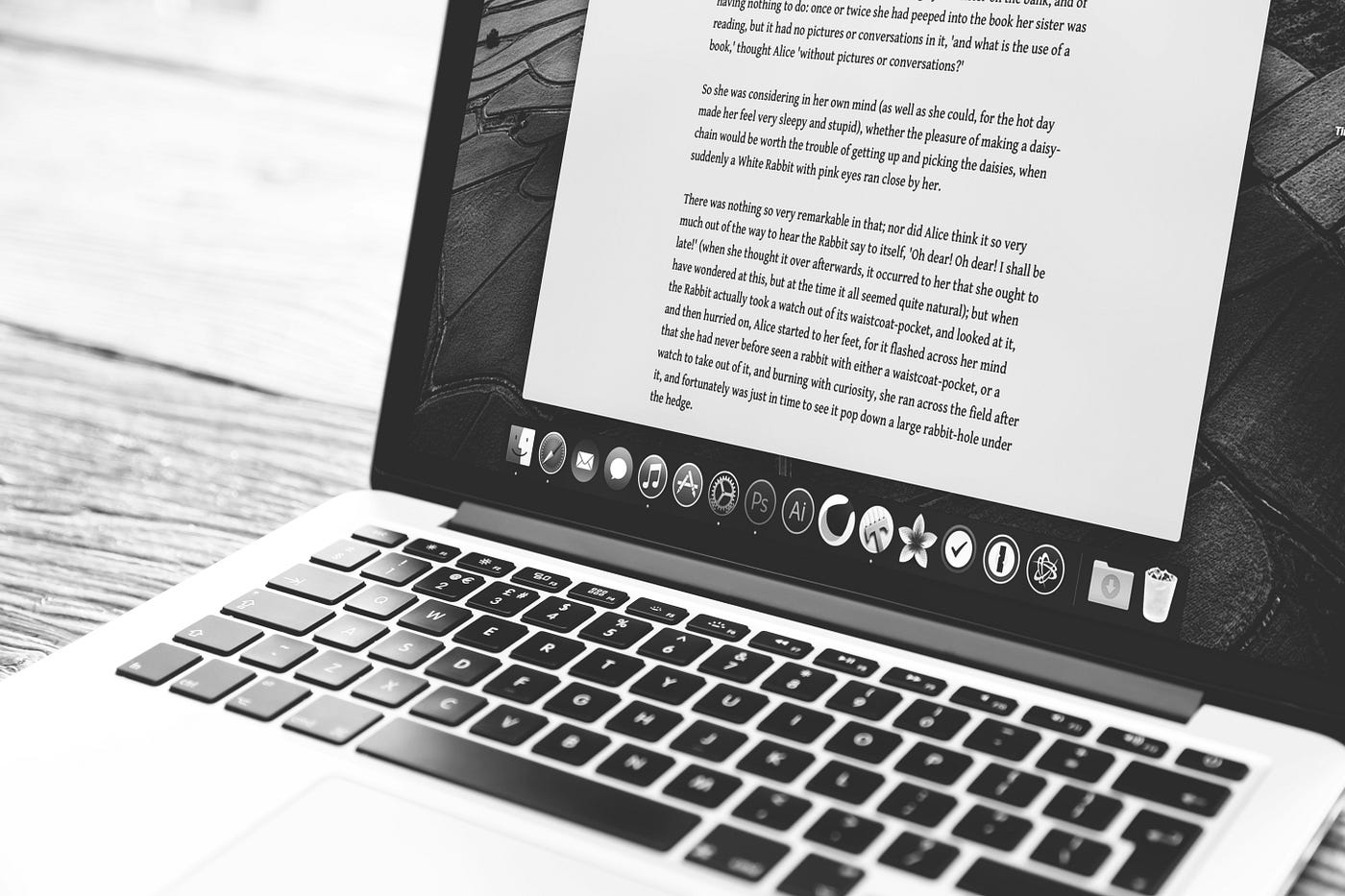
So, you’ve written and self-published your own novel, or maybe you are still in the process of putting everything together… what more can you do to go beyond printing and publishing?
As an indie author, you likely do not have the money or resources to give your book the depth and meaning it deserves. For example, it would be incredible to make a movie trailer out of your book. It would be amazing to give the characters more life — showing what they look like, sound like — as well as giving the environment more life.
It can almost feel like writing an entire novel is still not enough. You can go back and read your own novel. But you want to find ways to materialize it — make it seem more real.
So, here are some creative and free ways that you can add more layers to your story and make it feel that much more important to you…
#1: Make a playlist for your book
Music is one of the best tools for bringing your story to life. It allows you to imagine things more clearly, feel things more deeply, and perhaps even spark ideas for the sequel. My favorite way to make a playlist is Spotify, which you can access for free with ads, or you can pay for a subscription for unlimited access.
There’s also other streaming services such as Apple Music or Youtube Music. You can also build playlists for free using standard Youtube. You can even go “old school” with a pen and paper and simply brainstorm songs off the top of your head.
Think of the soundtrack to your story. Imagine that your story is a movie — and these are the songs that would fit in the trailer or certain scenes. Think about what your story represents, which feelings it captures, and the type of sound it has. It should also feel very personal to you — songs that you genuinely enjoy! For example, does your story have a lot of moments of rage? Are there many moments of melancholy? Is it more of a feel-good story?
Think about your characters — what would your main character’s favorite song be? Think about music genre — if your story is fantasy, then you may want to do more whimsical beats. If your story is exciting and fast-paced, you’ll want to include more upbeat songs. Think about the setting of your story — what type of music would you hear in this scene?
My book series is called “The Captain & the Mermaid.” Because it takes place in the ocean and at the beach, of course I wanted to include songs that are about summertime, swimming, being out in the sun. It also has a mystical component, so I wanted to add some witchy sounds. Ultimately, this is a love story, so my soundtrack needs plenty of love songs! My main character, Fuchsia, is definitely the kind of girl who enjoys bubblegum girly-pop!
Another thing to think about it — which songs were you listening to during the writing process? They may seem kind of “random” to your story, but if it was something you were playing a lot at the time, you should include that too!
Some songs on my “The Captain & the Mermaid” playlist:
- Big Blue Wave by Hey Ocean!
- Boat by Ed Sheeran
- Magical by Ed Sheeran
- Oceans by Gryffin / Kid Joi
- God is a woman by Ariana Grande
- Sun in Our Eyes by MØ / Diplo
- On A Roll by Ashley O (Miley Cyrus)
- Slide Away by Miley Cyrus
- Malibu by Miley Cyrus
- ocean eyes by Billie Eilish
- Astronaut In The Ocean by Masked Wolf
- Sucker by Jonas Brothers
- How Do You Sleep? by Sam Smith
- Cold Water by Major Lazer, Justin Bieber, MØ
- Sit Next to Me by Foster The People
- Love Like This by Natasha Bedingfield
- Never Really Over by Katy Perry
- Sirens Of The Sea by OceanLab
- On The Beach by OceanLab
- Magic by Coldplay
- Lucky by Halsey
- Pink Pony Club by Chappell Roan
- The Loneliest Time by Carly Rae Jepsen
- sail away by lovelytheband
- Summertime Sadness by Lana Del Rey
- Doin’ Time by Lana Del Rey
- Say So by Doja Cat
- Magic by B.O.B.
- Pills N Potions by Nicki Minaj
- I Was a Fool by Tegan and Sara
- She Calls Me Back by Noah Kahan
- The Sun by Portugal. The Man
- In Your Arms by Nico & Vinz
#2: Make a Pinterest Board for your book
Pinterest is a free website that you can sign up for. You can create a mood board for all of the aesthetics that relate to your book. There’s lots of aesthetic photos that you can save to your board. Think about what your scenery looks like, what your characters look like, and what kind of mood you want to capture.
I made a Pinterest board for my series, “The Captain & the Mermaid,” with lots of photos of the ocean and the beach. There’s also mermaids, captains, boats, ships, and boardwalks. My books also include imagery of crystals, tarot readings, and a psychic — so I included all of that too. There was also moments of storms and hurricanes, so that’s in there.
You can also include quotes, memes, or phrases that relate to your story. You can upload your own pins if you’re struggling to find anything. In my board, I uploaded alternative book covers that I was considering using.
For those who are arts-and-crafty, you can print out the pictures and paste them onto a board. You can turn it into an actual mood board that can be hung up in your home.
#3: Use AI Artwork
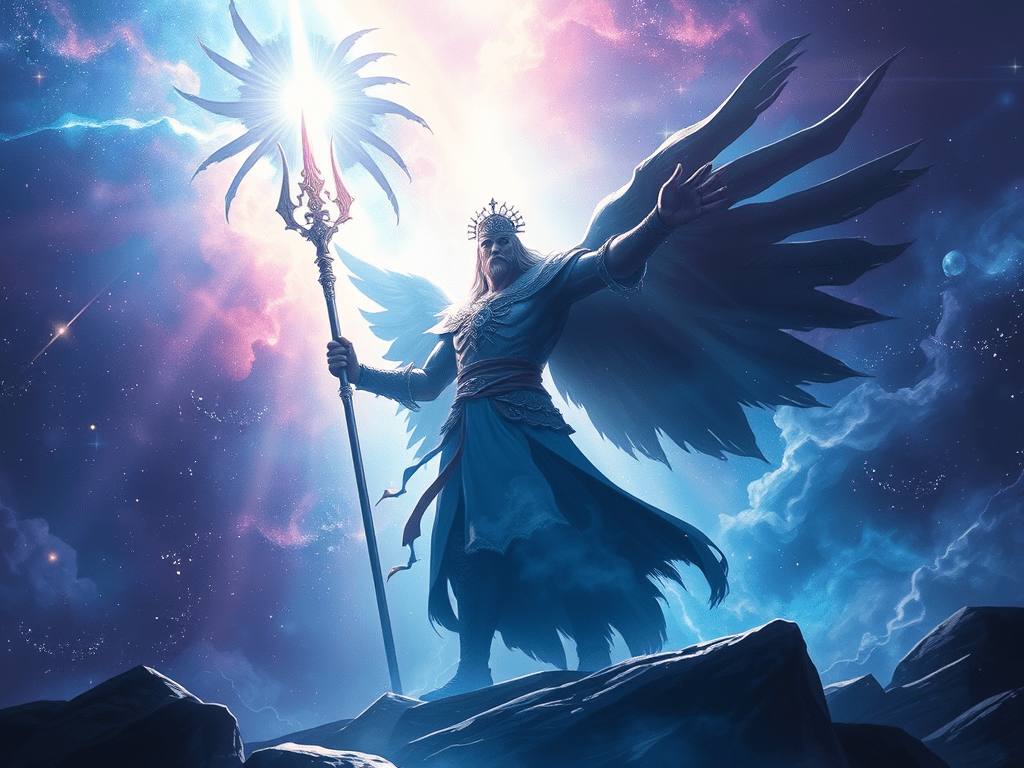
I made the controversial decision to use AI Art for the book cover of my sequel. In Book 1, I used a photo that I had taken myself, because that felt very personal to me. But for the sequel, I wanted to make something the very specifically represented my main characters and storyline.
The beauty of AI Art is that you can get extremely specific. If there’s a tiny detail that you don’t like, you can fix it. I did not have the money to pay an artist to make my book cover — then go back to them over and over and have them redo little details. I also don’t have the money to spare them a fraction of my minuscule royalties, which they would be deserving of earning. If I had the money, and if I was a famous author with a huge platform, then of course I would choose to recognize an artist. But this was my best choice as an indie author.

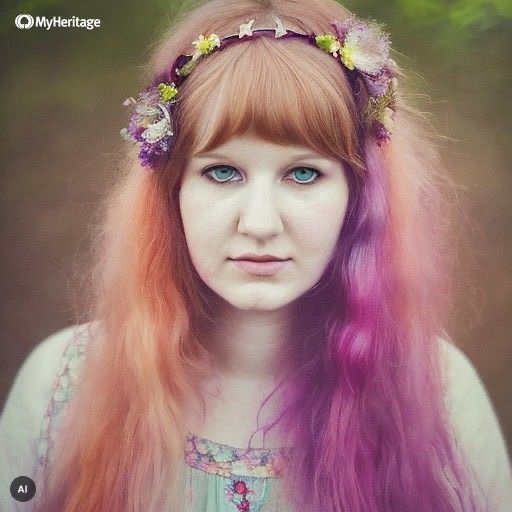
It was super important to me to display Fuchsia’s pink hair on the cover. For me, that’s a pivotal element of the entire story. I wanted to resemble her waiting — closing her eyes and going inwards. I also wanted to stress how beautiful she is (which is why I did not put myself on the cover… ha ha.) But I wanted a cartoon-ish element to her to show how flawless she is.
I wanted to be able to feel the Captain’s character on the cover — but not actually see him. That’s why I wanted his ship there — and specifically in the background. I want you to know that he’s there, but he’s far off in the distance, and we don’t know if he’s coming closer or just passing by. There is so much mystery to this character and I wanted to keep it that way.
I almost put a figure of the Captain on the cover. But the most important aspect of him is that he cannot be fully revealed. I have a vague idea in my head of what the Captain looks like, but ultimately I want the readers to decide what he looks like. However, when it comes to Fuchsia, I am very specific about her looks and that’s why she’s fully on the cover.
Anyway… even if you are against AI artwork as a book cover, you can also use it in many others ways!
AI Art for book promotion
When it comes to book promotion, whether through blog posts, social media, reels, etc., you can use AI art. You can create specific scenes that you’d like to show your potential readers. You can show your readers exactly what your characters look like — or at least a vague idea. You can literally copy and paste paragraphs from your book and see what AI art comes up with!
AI Art for your own personal privacy
If you are uncomfortable with using AI Art for any type of promotion, then you can still use it privately. Again, take direct lines from your book and see what is generated.
Remember that bringing your book to life is not simply about promotion and sales. Truly, this is all for your own personal satisfaction. And so, you can create an entire album of AI Art for your book, and you don’t have to share this with anyone. You can look at it from time to time just to feel that deeper connection to your story.
#4: Create a “shrine” for your book
You can set up a space in your home — and give your book its own home. “Shrine” might be a strong word, but something to give your book respect, attention, and acknowledgment. In that way, it’s sort of like an altar. (It’s not like I’m telling you to pray to your book — which you totally can if you want!)
I actually do not have much room in my current apartment, but I would love to do this once I move into a bigger space. At the very least, I do have my most recent book out on display. So whenever I pass it, I can look at it and smile and feel good about myself.
If you do have the space, you can get a table or shelf for your book, where it can be propped upwards. And then, you can add little trinkets and decorations that remind you of the book. Since mine is ocean-themed, I would add some seashells, crystals, a bottle of sand, an anchor, etc. You can also hang up artwork that reminds you of the book.
Writing a book is a huge accomplishment. You can go back to it from time to time and think about that love and effort you put into making this happen. When friends or family come over, it’s a chance to explain to your loved ones how much this means to you.
#5: Create an audiobook
For my first book, I decided to make an audiobook a year and a half later. Actually, this process of recording my book really helped me create the sequel. Sure, you can pay a professional to make an audiobook — which may get you more sales and profit. But I had so much fun recording it myself — most importantly, I was in complete control.
Creating an audiobook really makes you think hard about how certain characters sound, or how certain scenes are played out. It absolutely gives your book a much thicker layer of realness. And then, just like the book itself, once it’s published, you can go back to it at any moment and relive it again. (It’s also great for people who are interested in your book but hate reading!)
For an audiobook, I highly suggest investing in a microphone, which you can find for a reasonable price. Also, take your phone and record yourself at certain scenes — you can use this for social media promotion.
Personally, I chose to publish my audiobook for free. I did this by uploading it to Spotify Podcast. However, you certainly have the option of publishing it for sale. It’s totally up to you! I’d advice researching both options — lots of info out there!
Listen to my free audiobook here!
#6: Write more short stories or “deleted scenes”
The writing doesn’t have to end once the book is finished. This can also be especially helpful if you plan on writing a sequel or additional book to the series (but not required!)
You can have fun with your book by writing scenes that didn’t originally make the cut. For example, was there a direction that you almost took with your story but decided not to? You can explore that.
You can also write some “low stake” scenes that have almost nothing to do with the plot. For example, take two of your main characters, and put them into a conversation. It can be a very simple and everyday conversation. For example, put the two of them in a car together on a Tuesday, what would they have to say to each other?
A very creative idea is to put yourself into your book for a moment. Describe a scene or conversation with your main character. What would you say to them? How would the two of you get along in real life?
What you choose to do with these “deleted scenes” is up to you. You can use it for promotion. You can post it on your blog for others to read. You can lock it behind a paywall, Substack or Patreon, so that only your fans have access to them. Or, you can just keep them to yourself, and look back on them for inspiration.
#7: Use divination tools for your book
This final tip is a little niche — if you are into divination or someone who is very mystical. If you read tarot, you can pull spreads for your characters, or for your plotlines. You can pretend that you are doing a tarot reading for your main character. This can essentially put you inside of their head.
You can use astrology by coming up with birth charts for your main characters. What would their sun, moon, and rising signs be?!
Please let me know if you have any other tips for making your book come to life! Remember, this is not so much about promoting your book, but about feeling more spiritually connected to your story.
You can check out my novels on Amazon here! And for the book series I specifically mentioned during this article: Book 1: “The Captain & the Mermaid: A Mystical Conquest” and Book 2: “The Captain & the Mermaid: Bring Back the Magic.”


 Crystal Aura Gaze
Leave a comment