
Saturnalia is the Ancient Roman festival that takes place from Dec 17-23. Many Christmas traditions are rooted in this holiday, such as gift giving, praying for peace, and spreading the holiday spirit.
“Io Saturnalia!” is what they would cheer to one another. (“Io” pronounced like “yo”)
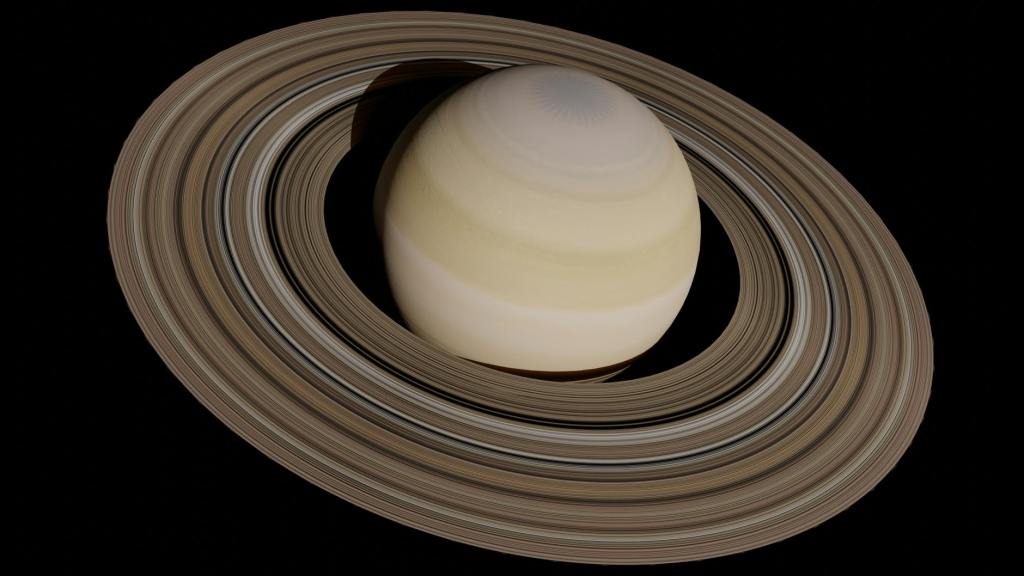
This holiday honors the god, Saturn, who ruled during the Golden Age when life was once easy and perfect. Once overthrown by his son, Jupiter, the Silver Age began — which marked the start of conflict and strife. And so, Saturnalia is a way of recreating the Golden Age.
This holiday also marked the transition from fall to winter, the end of the harvest season. All of the hard work was completed, and now it was time for a season of rest. And this is very much what Saturn stands for — putting in the work to receive a wonderful reward.
In other words, the transition into winter is like Saturn announcing, “great work, now you get to relax for the next few months!” For farmers, this meant that it was time to finally slow down. For modern people, we’re still forced to work at our jobs all winter — but we tend to stay in more, sleep longer, and make less plans. Places close down, we get snowstorms, and it’s too cold to stay out too long.
Celebrating is simple — keeping a positive attitude, laughing with friends, eating big meals, and enjoying yourself. We should be celebrating all of the hard work we put in this year and look forward to slowing down for a bit. It’s a great time for setting goals, but giving yourself time to get there instead of jumping into it.
The Ancient Romans loved their wine. They certainly used every holiday as an excuse to drink (and they had MANY holidays!) So if you want to make it authentic, let yourself drink plenty of wine (responsibly)! The Romans hated beer; and liquor didn’t really exist back then.
Gift giving was always a part of the Saturnalia tradition. Although, their gifts were not extravagant, they were more small and simple. If you wanted, you could use each day of the week to give one gift — for the seven days of Saturnalia.
The Ancient Romans would do role-reversals: the rich were poor, the slaves were masters, and the kids were adults. For example, the rich would wear rags, masters would serve their slaves dinner, and kids were allowed to play gambling games with candy or toys.
Charity and donation was a big part of Saturnalia. Saturn rules karma, so doing good deeds was especially important at this time. It was important to give to those less fortunate. And when you are kind and giving, you’ll be rewarded in the future.
Saturn’s connection to karma ties closely with Santa Claus. And Santa Claus is a fairly accurate image of Saturn — a cranky, old man who gives out amazing gifts. But he only gives gifts to the good kids — and a sack of coal to the bad kids. The whole concept of Santa and his reward system is a symbol for karma.
Seeking good karma is not just about selfish purposes — like helping someone only because it will benefit you. It’s about spreading that good, giving, charitable energy around the whole world. Because when the good karma comes back to you, it reflects toward everyone around you (as bad karma does the opposite.)
This circles back to the Golden Age, a time when there was no division between status, class, wealth, and so forth. This brings an important message. By imagining a world in which everything is perfect, you realize that all of these things that divide us are just an illusion. A person with money, status, etc. is no “better” than a person who has less.
Saturnalia is a silly holiday with funny traditions and fascinating myths, yet the message is important. We should take this time to imagine peace in the world, reflect on the roles of society that keep us divided, celebrate our hard work and get excited for the future.
And if you really do want to take it a step further, you may use this time to honor Saturn as the ancients did. Learn about his myths, think about what he symbolizes, and so forth!
Here is a fun podcast to learn more: “Saturnalia: So Much More than Roman Christmas” – Ancient History Fangirl
Io Saturnalia!




 Crystal Aura Gaze
Leave a comment