
In Ayurvedic medicine, there are three types of energetic bodies: Vata, Pitta, Kapha.
Ayurveda is a system of medicine that comes from ancient India, tracing back to over 3,000 years ago. “Ayurveda” translates to “science of life” in Sanskrit, the world’s oldest recorded language.
We are all composed of a different balance of doshas. This is known as our “prakruti” and it was something that we were born with and cannot change. You were born with a certain type of energetic composition and you will live with it for the rest of your life. However, there is our vikruti, which refers to our state of balance in the body — something that we can consciously change with food, herbs, massage, and yoga.
There are three doshas and they all correspond with a combination of elements in the body. The doshas are: vata, pitta, and kapha. The five elements in Ayurveda are: earth, water, fire, air, and space. Vata is air and space, pitta is fire and water, and kapha is earth and water.
So, take a look at the description for each dosha and see which one you resonate with most. Understanding your dosha can help you figure out what type of diet, exercise, and lifestyle is best for you.

Vata dosha
The vata is connected to air and space. These people tend to run cold. They may have a low body temperature and be more sensitive to coldness. The vata is connected to kinetic energy and the nervous system. These people have a lot of anxiety and struggle to remain still. They can be highly energetic and active at times, or have an urge to keep moving.
Qualities of this type includes: cool, dry, light, mobile, rough, subtle, and irregular. They may have dry and crackly skin. Their frame may be smaller, bones frailer, and body thinner. Appetite is irregular: they can go from very hungry to very full, or vice versa, at unpredictable times. Their weight may easily fluctuate.
This type is incredibly creative and artistic. These people tend to talk fast and move fast. They can be social butterflies and great communicators. They may travel a lot and be easily adaptable to new circumstances. However, moving around too much can feed into their chaotic energy, which adds to their nervousness. It’s beneficial for them to have structure and routine in their life in order to help staying grounded.
To find balance, vata dosha should seek their opposite traits: warmth, moisture, steadiness, softness, and repeition.
- Diet: Eat foods that are warm, moist, and hydrating. Be sure to drink plenty of water. Drink a lot of milk and consume dairy (or high calcium plant-based products.) Eat salty, spicy, and sour — avoid bitter foods. Heat your meals in the oven and stove, drink hot tea. Consume plenty of fluids and fiber, as you tend to struggle with bloating and digestion. Choose hot or room temperature drinks over cold; avoid ice cubes.
- Exercise: You should engage in exercises that promote calmness, balance, and flexibility. Yoga, tai chi, dance, walking, and short hikes are good examples.
- Lifestyle: You should ground yourself with a steady routine. Stick to the same habits, like keeping your wakeup routine and bedtime routine consistent. You should fall asleep early and wake up early, the same time each day. Seek people in your life who you can fully depend on, avoid those who are flaky. Also, add more luxury in your life. Remember to get enough rest and relaxation, take breaks when you need to. Keep moisturizer on hand and apply it to your body every day. Dress warm: wear layers, hats, thick socks, etc. Wear cotton and materials that absorb moisture; avoid polyester and spandex.
- Herbs: Use “warming” and “moist” herbs. Look for herbs that improve the circulatory system and heart.
Pitta dosha
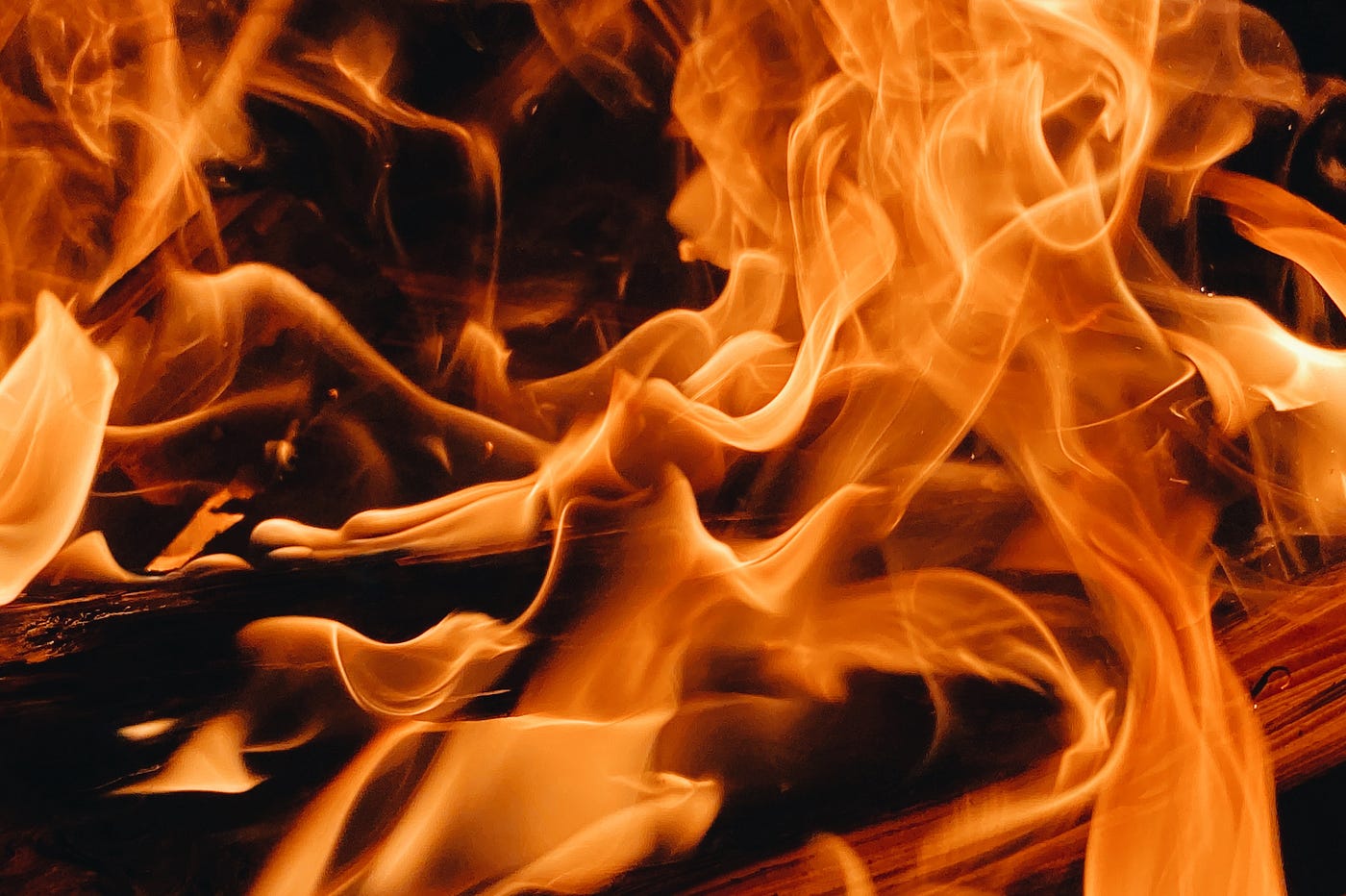
The pitta is connected to fire and water. This energy is responsible for digestion and metabolism. These people run hot, oily, and quick. Qualities include: heat, moisture, liquid, sharp, and pungent. They are people who make great leaders with an intense presence, but also are quick to anger and impulsivity. They have a high body temperature, are prone to sweating and overheating, and get warm very easily.
This type tends to have a ravenous appetite. They have strong digestive systems that allow them to eat large servings in one sitting. They metabolize quickly and will feel hungry again soon after finishing their last meal. They tend to be average in body weight and composition; they eat big amounts but are able to burn it off easily.
They may suffer from rashes and inflammation, as well as oily and greasy skin. They can also have heartburn, loose stools, and digest things too quickly. It’s helpful for them to keep a cool and dry environment, as they feel better in colder temperatures with low humidity. Their energy can be very unstable, so it also helps for them to stick with a routine and commit to repetitive habits.
To find balance, pitta dosha should seek their opposite traits: coldness, dryness, steadiness, softness, and repetition.
- Diet: You should eat cold and dry foods. Sandwiches, salads, dried fruit, raw vegetables, cold meats are good examples. Keep warm meals fresh out of the oven to a minimum, allow your cooked food to cool completely before eating. Avoid hot beverages, put ice cubes in your drinks, and be sure not to overdo your liquid consumption. Choose chicken and turkey over beef, seafood, and eggs. Stay away from spicy foods. Eat foods that are sweet and bitter.
- Exercise: It’s super important to avoid overheating during workouts — only exercise in cold, windy, air-conditioned environments. Avoid hot yoga or anything that promotes excess sweating.
- Lifestyle: It is vital to prioritize your mental health by eliminating stressors as much as you can. You should dress lightly and wear polyester, nylon, spandex, or any other clothing material that does not absorb moisture. Your clothes should be loose and breathable. Incorporate routines and rituals into your life; you need structure in order to keep yourself grounded. Surround yourself with people who you can count on and avoid those who are flaky. Embrace repetition and doing the same thing over and over.
- Herbs: Use “cooling” and “drying” herbs. Look for anti-inflammatory properties.
Kapha dosha
The kapha is connected to earth and water. This energy is known as “the protector” because it shields and stabilizes the fluids and protective linings in our bodies. These people are soft, sweet, slow, and grounded. They are incredibly structured and stable. They can also be stiff and stubborn, struggling to adapt to new changes.
Qualities of kapha dosha include: cold, slow, solid, heavy, immobile, oily, and soft. These people may have a larger frame and sturdier body; they can be thick and muscular. They can have cooler body temperatures and shiver easily, feeling more comfortable in warm environments. Their skin is very soft but can also be oily and greasy. With a slower metabolism, their appetite is smaller. They may go for long periods between meals and eat in low quantities. It’s easy for them to feel full but can be challenging to burn the meal off.
These people are slow to anger and have calm demeanors. They’re tremendously patient and forgiving. They speak slowly and move at their own pace. Their bones are strong and sturdy: great teeth and nails, along with thick hair. When imbalanced, they become lethargic, attached, and unmotivated. This type really needs stimulation, novelty, and unpredictability to get them going and push them out of their shell.
To find balance, kapha dosha should seek their opposite traits: warmth, dryness, chaos, sharpness, and lightness.
- Diet: You should eat warm meals in small proportions. Beverages should be hot or room temperature, like hot tea or coffee. Avoid frozen drinks and ice cubes. Meals should be cooked and warmed in the oven whenever possible. Eat slowly and do not force yourself to finish your meal if you can’t. Reduce intake of sweets and dairy. Focus on foods that are bitter and pungent, use spices like red pepper and ginger. Consume stimulants like caffeine (in safe amounts).
- Exercise: Avoid boredom by engaging in exercises that are mentally stimulating and require skill and sharpness. Switch your exercise routine often and keep trying new things. High-intensity workouts are best; get yourself to sweat and raise your body temperature.
- Lifestyle: Dress warm and wear layers, but choose breathable fabrics like polyester that do not trap moisture. Avoid cold environments whenever possible. Prevent laziness and depression by keeping yourself stimulated. Always challenge yourself both physically and mentally, embrace new ideas. Surround yourself with people who are free spirits, who push you out of your comfort zone.
- Herbs: Use “warming” and “cooling” herbs. Stimulating and adaptogenic herbs are beneficial.
Take time to figure out which dosha you most strongly relate with. You could certainly fall between more than one. It took me a lot of time to figure out, but I realized that I am a vata dosha. I don’t relate to every single aspect, but to most of it. I have a very low body temperature and I’m always cold, I have a lot of anxious and spacey energy, and I feel like I really need routine and structure in order to keep myself grounded. I’m on the dryer side because I am constantly reapplying lip balm and moisturizer, as my skin and lips often feel crackly. I absolutely prefer my food and drink to be warm or hot.
Which dosha are you and why?



 Crystal Aura Gaze
Leave a comment