“I See Fire” by Ed Sheeran is possibly one of my favorite songs ever.
Although the song was written for the 2013 film, The Hobbit: The Desolation of Smaug, I find so much meaning in the lyrics outside of this franchise. I’m not a huge Lord of the Rings fan, so I can look at this song completely separate from the series.
The melody itself is beautiful – both serene and calming, yet intense and powerful. It starts off completely a cappella, and then gains some acoustics, and then finishes off on a bold and passionate note.
In a literal sense, this song is about death. This song can certainly be taken literally as the last moments of one’s life. But death is also such a metaphorical concept, so it can absolutely be taken in a solely symbolic way. Death represents the destruction of a chapter in life – leading to the rebirth of new beginnings.
Oh, misty eye of the mountain below
Keep careful watch of my brothers’ souls
And should the sky be filled with fire and smoke
Keep watching over Durin’s sons
The first verse is a cappella. This invokes feelings of rawness and automatically sets a serious tone.
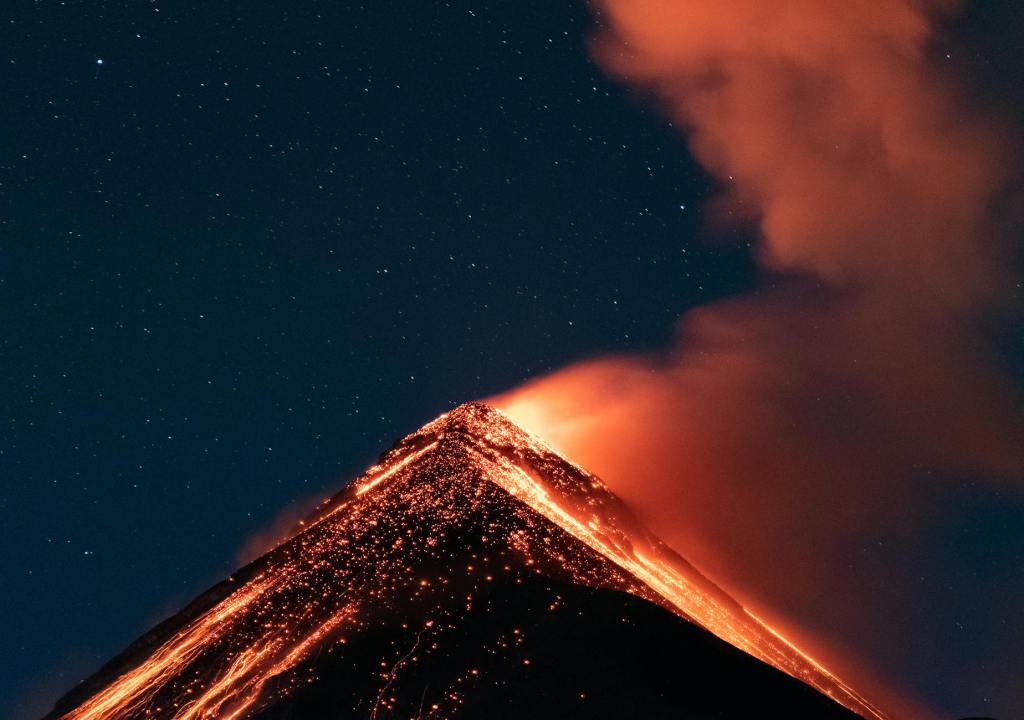
The visualization takes you into nature, with mountains, trees, and dark clouds. It feels gloomy, eerie, and dark. There’s some mist in the air.
He’s not simply speaking to the mountain, he’s reaching out to a spirit. He’s asking the spirit to protect his brothers and sons. He’s not literally speaking of family – but of humankind – and using the terms “brothers” and “sons” emphasizes the connection through all of humanity.
Fire and smoke symbolize destruction and chaos. And so, he is pleading with the spirit to protect his people in times of hardship.
If this is to end in fire
Then we should all burn together
Watch the flames climb high into the night
Guitar begins to play right before the second verse. The style of singing changes too – in the first part, he’s calling out, like a chant. In this second part, his voice becomes a little more monotone, bringing a feeling of pessimism and defeat.
This feels like the end of a great war, in which you realize that you have lost the battle. You are nearing the point of surrender. The flames are unstoppable and there’s nothing that you can do. All that there’s left to do is sit back and watch it burn. You’re helpless.
But there is a sense of solidarity in the line that “then we should all burn together.” And this is what happens in war, you don’t fight it alone. When you lose, your whole team loses. You’re all in this together with loyalty.
Calling out father oh
Stand by and we will
Watch the flames burn auburn on
The mountain side (high)
Again, continuing to watch the destruction happen. He’s calling out to Father – and this can represent so many things. This can be God, this can be his ancestors, this can be all of the generations before him.
And if we should die tonight
Then we should all die together
Raise a glass of wine for the last time
This next verse reiterates exactly what the first verse was saying – but in a much more blunt and literal way. It’s further emphasizing the sense of solidarity and loyalty. There is a difference between “we all died” verses “we all died together” – even though we were defeated by the other side, we all stuck together and stood for one another, so in that sense it was not a total loss.
The imagery of everyone raising a glass of wine together is powerful. Knowing that the end is coming – so you will toast to that. You’re going out with grace. It’s so incredibly disturbing yet beautiful at the same time.
Calling out father oh
Prepare as we will
Watch the flames burn auburn on
The mountain side
Desolation comes upon the sky
…
Chorus:
Now I see fire
Inside the mountain
And I see fire
Burning the trees
And I see fire
Hollowing souls
And I see fire
Blood in the breeze
And I hope that you remember me
The chorus describes the moment of watching destruction happen before your eyes… watching everything you’ve lost… seeing it all burn down.
The last line, “I hope that you remember me,” is strong. This can be taken both literally and symbolically.
In the literal sense of dying: this may be the end for you, but it’s not the end for everyone else who goes on living. Your memories will stay with them – and you hope that your life had enough positive impact that your loved ones will be thinking of you. Perhaps the worst fear is not dying itself, but the thought of your loved ones forgetting about you.
In a metaphorical sense: when you move onto a new chapter, there may be people who you have to leave behind, who you’ll never see again or talk to again. Just because you have to put them in the past, does not mean that you no longer care about them. You hope that your memories stick with them in the future, even though you won’t be around them anymore. You hope that you left a positive impact on their lives – not someone who can be so easily forgotten about.
Oh, should my people fall
Then surely I’ll do the same
Confined in mountain halls
We got too close to the flameCalling out father oh
Hold fast and we will
Watch the flames burn auburn on
The mountain side
Desolation comes upon the sky
Chorus:
Now I see fire
Inside the mountain
And I see fire
Burning the trees
And I see fire
Hollowing souls
And I see fire
Blood in the breeze
And I hope that you remember me
As the song goes on, the acoustics pick up, with more guitar and violins.
The next part of the song continues to reiterate the same message over. It’s about watching destruction and chaos grow – while holding onto loyalty and community.
In the upcoming bridge, the tone becomes less defeated, and far more passionate and determined. We hear his voice raise and nearly shout. It’s a complete contrast from the first verse.
And if the night is burning
I will cover my eyes
For if the dark returns
Then my brothers will die
And as the sky is falling down
It crashed into this lonely town
And with that shadow upon the ground
I hear my people screaming out
The line “I will cover my eyes” stands out to me in this part. The whole song is about seeing, watching, witnessing – all of the death and destruction. To cover one’s eyes is a symbol of denial.
So this moment of covering your eyes is that final cling to hope and innocence. Most of the song sounds so complacent, accepted, and defeated. But there is this quick moment of, “wait, this really can’t be happening…!”
This is the turning point of knowing that the destruction has happened and there is no turning back at this point. Sadness and hopelessness turns into panic and anger.
Chorus:
Now I see fire
Inside the mountains
I see fire
Burning the trees
I see fire
Hollowing souls
I see fire
Blood in the breeze
I see fire
Oh you know I saw a city burning out (fire)
And I see fire
Feel the heat upon my skin, yeah (fire)
And I see fire (fire)And I see fire burn on and on the mountain side
The final chorus is sung with so much more intensity. It’s louder, angrier, and bolder.
And the song closes out here.
“I See Fire” has so many layers to it. This can be an army losing a battle in war, a village losing against a natural disaster, a community losing against political warfare, and so forth.
I find that the overall message is that death is inevitable – but death is not lonely. In a literal sense, we are all bound to die one day – but nobody dies alone. You’re following behind your fathers, your ancestors. And your loved ones are all around you – and they will remember you.
When you die, your loved ones also “die” with you, in a sense – a part of them dies. Their lives will never be the same without you. A part of them will always be missing. When you leave this earth, you are also taking pieces of your loved ones with you.
Of course, this also applies metaphorically. When you are going through a “death” – an intense change in your life that leads to a new chapter – it affects everyone around you. You may be literally leaving many people behind, people you’ll never see again. But when you go through intense change, the people around you can feel that change – and so they are changing too.
Your loved ones are with you during “deaths and rebirths,” these periods of chaos and unpredictability that change you. It changes them too, even if they are not directly having the same exact experience.
Death affects everyone; change affects everyone. Even when you’re going through it alone, you’re not actually going through it alone. Everyone is right there with you.








Leave a comment