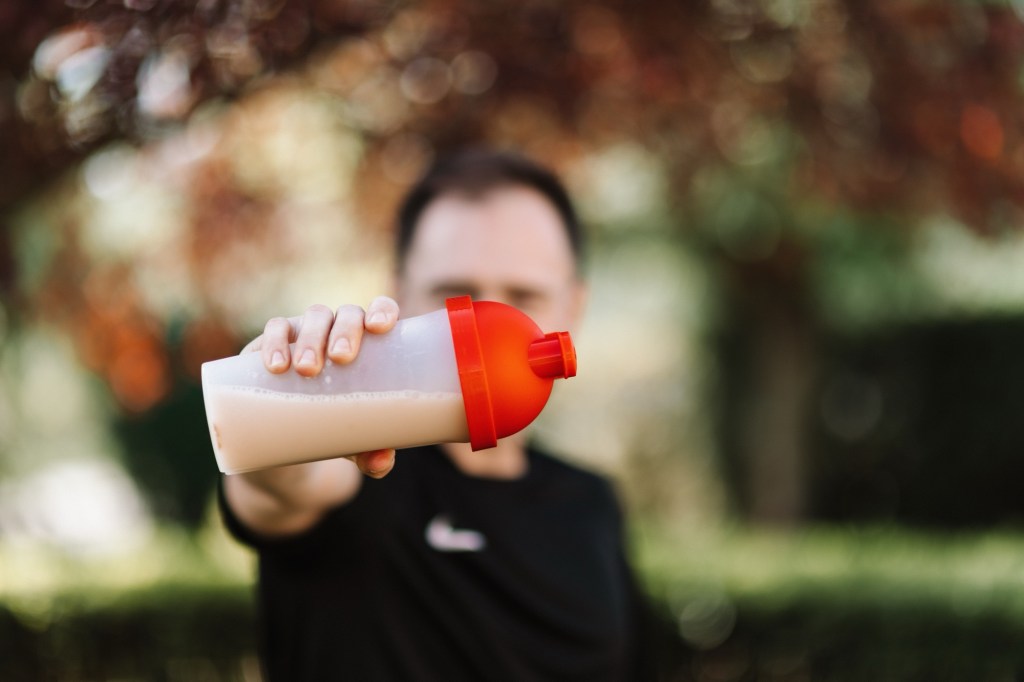
Protein has become very trendy in the past few years. Protein shakes and protein bars are everywhere now. You’re also seeing a lot of new protein food products coming out, or added protein to other foods. Starbucks recently released a line of protein lattes.
The “nutritional experts” argue that we need a generous amount of protein in our diets to live healthy lives. They say that the amount recommended by doctors or the government is actually only half of what we really need.
Protein is no longer just about bulking up or slimming down. Now, it’s about basic health. You can’t be healthy anymore without an enormous amount of protein in your diet. People joke about it now — “protein shampoo! Protein toilet paper! Protein dish detergent!”
Has society officially gone too far with the protein craze? Well, the pendulum is swinging backwards now. Articles are coming out with support to restrict your protein intake. Now, many of these “health experts” are claiming that reduced protein can actually extend your life and improve metabolic health.
I don’t have links, but a quick google search will show you how many of these articles are popping up now — arguing against protein. The funny part is that they aren’t just saying, “maybe you don’t actually need that much added protein to your diet” — they are saying, “you need to actively cut out protein!”
For now, it seems like the general consensus is in favor of added protein. These articles are being critiqued, claiming that the studies are too obscure and misleading, or they do not factor in the complexities of nutrition. Nevertheless, these articles are coming out — people are second-guessing the protein craze. The pendulum always swings when it comes to health fads.
I’ve been vegetarian since I was a teenager, so I have been highly aware of the protein debate for many years. The greatest backlash against vegetarianism has been, “where do you get your protein?” And so, I’ve already done a lot of research on this.
Becoming vegetarian in the late 2000s and early 2010s, shortly before the protein maxing trend, I learned this… protein is important but it’s not very hard to get the required amount, even when you don’t eat meat. Protein needs are allegedly not very high — especially for women.
Most importantly, protein is more common than we realize — it’s not just in meat. Shockingly, even a bowl of white pasta has at least 10g of protein (and who eats the actual suggested portion of pasta anyway?!) And that’s before you even add the cheese, butter, and sauces. But you can find great sources of protein in eggs, dairy, beans, nuts, seeds, and more.
Being vegetarian taught me that most people are under the impression that protein only comes from meat or whey powder. And for a while, I thought, I can relax when it comes to protein. I can try to be slightly more conscious of it than those who eat meat with every meal. But otherwise, it’s not a concern.
And then somewhere around the late 2010s, people starting getting crazy about protein. But it had nothing to do with eating meat — it was all about protein powder. And then came the protein bars — followed by protein being added to almost every single food product.
What makes me suspicious about the protein craze is that it’s not necessarily a push for naturally-high protein foods. Instead, it’s all about protein “products,” which come with a lot of added sugar and other suspicious ingredients. They say that most whey powder contains crushed up bugs and maggots. Ew!
I’ll admit, I was on the craze. I was adding protein powder to my smoothies, drinking protein shakes every day, and keeping my pantry stacked with protein bars. At the grocery store, I was picking out foods advertised as “extra protein added!”
The obvious benefit of protein is that it makes you feel full. There’s nothing more satisfying than finishing a meal feeling absolutely stuffed. And again, being vegetarian, my meals often don’t give you that “fullness” that meat can provide.
But — in recent years, I switched to full fat dairy. I was previously using almond milk, fat-free yogurt, etc. I found that full fat products including whole milk or whole milk yogurt gave me satiety that I couldn’t feel before. Full fat also increases nutrient absorption.
Fat has been demonized for decades. First, it was replaced with added sugar — and then artificial sweeteners — and so forth. I believe that society is using protein as a replacement for fat — to replace satiety and fullness.
With all of these protein products, we are consuming more processed foods. We are also cutting back in fat, which is essential for nutrient absorption. Honestly, I have not looked super deep into these “anti-protein” studies, but I could guess that maybe the addition of protein leads to a lack of fat. Maybe it’s not the protein causing health issues, but the lack of fat.
Another thing is not just about health — but money. Protein products typically cost much more money. And if we’re overfilling our bodies with unnecessary protein, we could be really wasting our money.
I will not be actively restricting my protein intake from now on. However, I am going to let myself relax a little bit when it comes to protein. I am going to focus more on getting protein from whole foods — rather than processed snacks. And I’m going to be much more suspicious of the way that “protein” is used as an advertising scam.
The health industry is crazy!










Leave a Reply